Your Guide to the Delta Terminal at Philadelphia International Airport (PHL)

  • September 11, 2024

  • William Cartwright

If you’re flying with Delta Air Lines from Philadelphia International Airport (PHL), it’s important to know which terminal you’ll be using to make your journey smoother and hassle-free. Here’s everything you need to know about the Delta terminal at PHL.

1. Delta Air Lines Terminal at PHL

Terminal D

Delta operates out of Terminal D at Philadelphia International Airport. This terminal handles several domestic and international airlines, making it a bustling hub for passengers traveling to various destinations.

2. Terminal D Amenities and Services

Delta passengers flying out of Terminal D can take advantage of the many amenities and services that the terminal offers. Here are some highlights:

  • Food and Dining Options: Terminal D has several dining options, including sit-down restaurants, fast food, and coffee shops. Popular choices include Chickie’s & Pete’s, Cibo Bistro & Wine Bar, and Aviation Grille.
  • Shops and Retail: Travelers can shop for last-minute essentials or souvenirs at stores like Tech Showcase and Hudson News.
  • Charging Stations and Free Wi-Fi: Terminal D provides free Wi-Fi and charging stations to ensure you stay connected and powered up while waiting for your flight.
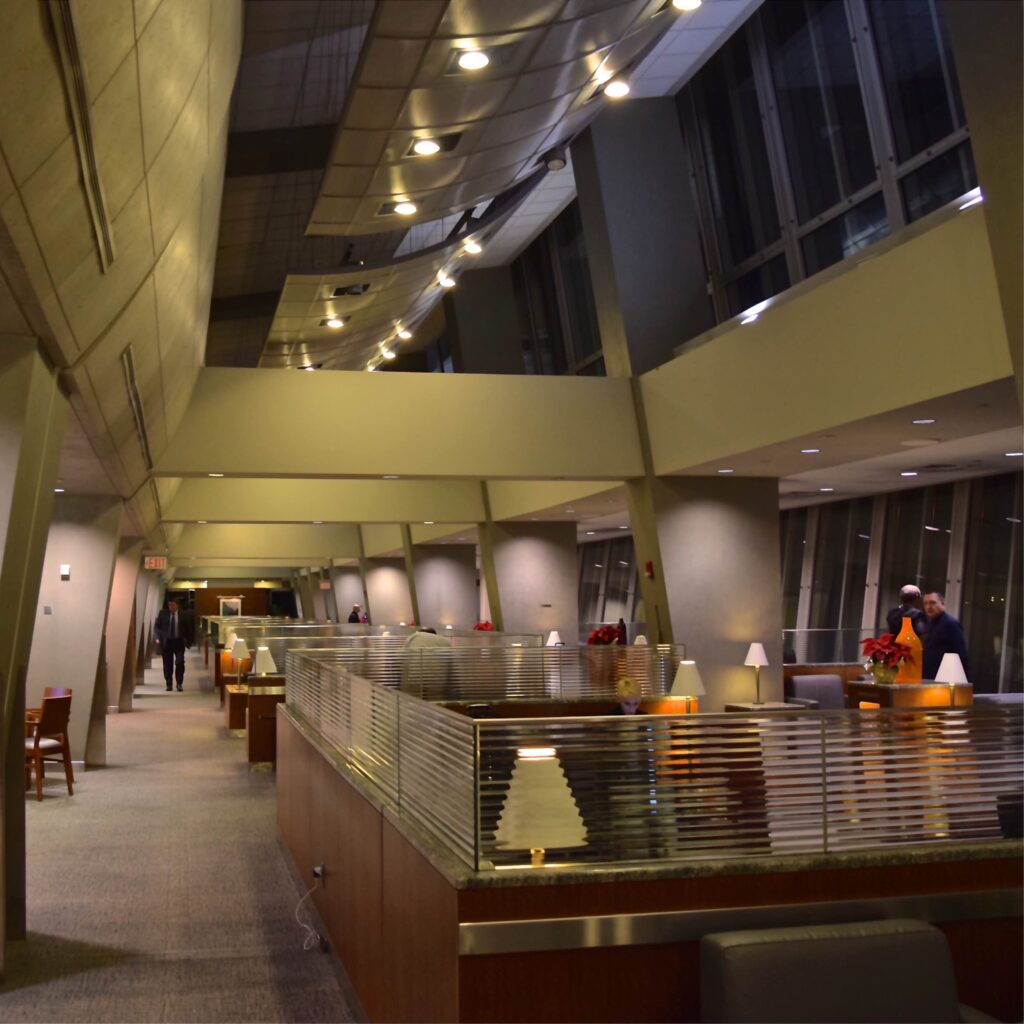
  • Lounges: Although Delta does not operate its own Sky Club lounge at PHL, there are other lounge options, such as the American Airlines Admirals Club located nearby in Terminal B/C, which may be accessible for those with eligible credit cards or memberships.

3. Connecting to Other Terminals

One of the advantages of PHL is that once you pass through security, you can walk between all terminals without having to go through security again. If you have a connecting flight from another terminal, here’s what you need to know:

  • Walking Time: Walking between Terminals D and neighboring Terminal E takes about 5-10 minutes. Getting to Terminals B/C may take a bit longer, around 10-15 minutes, but it’s still manageable for most passengers.
  • Shuttle Service: While PHL doesn’t have a dedicated shuttle between Terminals D and other terminals, the terminals are connected via walkways, making it easy to get from one to another.

4. Security at Terminal D

The security checkpoint at Terminal D is typically less crowded compared to the main security checkpoints in other terminals. However, it’s always a good idea to arrive at least 90 minutes to 2 hours before your flight to allow enough time for check-in and security screening, especially during peak travel times.

If you’re a frequent traveler or a Delta SkyMiles member, you can speed up the security process by enrolling in TSA PreCheck or CLEAR.

5. Ground Transportation and Parking

If you’re driving to PHL and parking at the airport, the Garage D parking lot is the closest option to Terminal D, offering both daily and hourly parking. For more budget-conscious travelers, off-site parking facilities like SmartPark(with free shuttle service) offer lower-cost alternatives with added convenience.

Additionally, passengers can easily access taxis, ride-sharing services (Uber and Lyft), and SEPTA public transportation from the terminal to get to or from the airport.

Conclusion: Navigating Delta’s Terminal at PHL

Terminal D at Philadelphia International Airport offers Delta passengers a convenient and comfortable experience, with plenty of dining and shopping options to keep you busy while you wait. Whether you’re flying domestically or internationally, knowing the layout and services available in Delta’s terminal can help make your trip stress-free and enjoyable.

Philadelphia International Airport Daily Parking: Your SmartPark Solution

  • William Cartwright

If you’re flying out of Philadelphia International Airport (PHL) and looking for a convenient and cost-effective daily parking option, SmartPark offers the perfect solution. We know how stressful airport parking can be, so we provide secure, affordable daily parking with a free shuttle service to ensure your trip starts off on the right foot.

1. Why Choose SmartPark for Daily Parking?

There are plenty of parking options around Philadelphia International Airport, but here’s why SmartPark stands out:

  • Affordable Rates: Parking directly at the airport can quickly become expensive, especially if you’re traveling for more than a day. At SmartPark, we offer competitive daily rates that help you save money without sacrificing convenience.
  • Free Shuttle Service: One of our key perks is our free shuttle that runs 24/7. Whether you’re arriving in the early morning or late at night, our shuttles are always available to take you to and from the airport. No waiting for long periods or hunting for rides – our shuttles pick you up right at your vehicle and drop you off directly at your terminal.
  • Secure Parking: We prioritize your peace of mind. SmartPark offers secure, fenced parking lots that are well-lit and monitored 24/7. You can travel confidently, knowing your vehicle is safe while you’re away.

2. How Our Daily Parking Works

Using SmartPark for your daily parking needs is easy and stress-free:

  • Book Online: You can reserve your spot online ahead of time through our simple booking process. This ensures you have a guaranteed space, even during peak travel times.
  • Arrive at SmartPark: Once you arrive, our attendants will guide you to a parking spot. Our convenient lot is located just minutes from the airport, so you won’t have to worry about being far from your terminal.
  • Hop on the Shuttle: After parking, our shuttle will be ready to take you and your luggage directly to your terminal at PHL. Our drivers assist with your bags and ensure you’re dropped off curbside at your designated terminal.
  • Shuttle Pickup Upon Return: When you return from your trip, our shuttle service will pick you up from the airport and take you right back to your car. Simply give us a call, and our shuttle will meet you within minutes at the designated pickup area.

3. How We Compare to PHL Airport Parking

Here’s how SmartPark compares to traditional daily parking options at PHL:

FeatureSmartParkOn-Site Airport Parking
CostLower daily ratesHigher daily rates
Shuttle ServiceFree, 24/7 service to terminalsLimited or no shuttle options
Proximity to TerminalsJust minutes awayVaries by parking lot
SecurityFenced, monitored lot 24/7Varies by lot (limited surveillance)
Customer ServiceHighly rated, personalized serviceStandard airport service

4. Convenience of Daily Parking with SmartPark

Whether you’re traveling for a short business trip or taking a brief vacation, SmartPark makes daily parking simple. No need to worry about finding a spot in busy airport lots, no complicated routes, and no extra fees for shuttles or hidden charges.

Pro Tip: If you frequently travel for work or leisure, consider joining our SmartPark Rewards Program, where you can earn points for each reservation and redeem them for future discounts.

5. Why Our Customers Love Us

We’ve earned a reputation for providing exceptional customer service and unbeatable convenience. Here are just a few reasons travelers choose SmartPark for their daily parking at PHL:

  • “The shuttle service is a game-changer!” – With our prompt, 24/7 shuttles, you’re never left waiting around.
  • “Cheaper than airport parking, with better service!” – Our rates are competitive, and you get more value with added perks like luggage assistance.
  • “I always feel secure leaving my car here.” – With our security measures, you can travel knowing your vehicle is safe.

Conclusion: Choose SmartPark for Your Daily Parking at PHL

At SmartPark, we make daily parking at Philadelphia International Airport simple, affordable, and stress-free. With secure lots, affordable rates, and our complimentary shuttle service, you’ll wonder why you ever parked anywhere else. Reserve your spot with SmartPark today and enjoy a better airport parking experience.

Philadelphia International Airport (PHL) Construction: What You Need to Know

  • William Cartwright

Philadelphia International Airport (PHL) has been undergoing significant construction and renovation projects to improve passenger experience and expand its capacity. Whether you’re a frequent flyer or visiting PHL for the first time, it’s helpful to be aware of how these construction projects may impact your trip.

Here’s an overview of the key construction projects at PHL and what you need to know before you travel.

1. PHL Airport Expansion and Modernization Project

One of the major ongoing efforts at PHL is its Capacity Enhancement Program (CEP). The goal of this multi-billion-dollar program is to improve airport infrastructure, reduce delays, and enhance passenger comfort.

  • New Runways and Taxiways: One of the biggest projects under this plan is the addition of new runways and the reconfiguration of existing taxiways. This will help ease congestion during peak travel times and reduce overall delays.
  • Terminal Renovations: Several terminals, especially Terminal B and Terminal F, have been undergoing modernization to improve amenities, seating, and dining options. The renovations are designed to enhance the overall passenger experience with more space, better lighting, and a more modern aesthetic.

2. Terminal A-West and International Gate Expansion

Philadelphia is a key international gateway, and as part of the expansion, Terminal A-West is being upgraded. The expansion includes:

  • New gates: The expansion will add more international gates to accommodate larger aircraft and handle the increase in international travel.
  • Enhanced customs and border control facilities: New and upgraded facilities for international arrivals will help expedite the customs process.

3. Roadway Improvements and Parking Upgrades

As part of the larger construction effort, the airport is also working on improving roadway access and parking facilities. These projects are aimed at making it easier to get in and out of the airport, as well as enhancing parking options.

  • Parking Garage Upgrades: The existing parking garages are being upgraded with improved lighting, security, and signage to make it easier to navigate. The airport is also working on expanding parking capacity to accommodate the growing number of passengers.
  • Roadway Improvements: New access roads and improved traffic flow patterns are being implemented to reduce congestion during busy travel times. These improvements will help make drop-offs and pick-ups smoother for travelers.

4. PHL Cargo Expansion

In addition to passenger improvements, PHL is focusing on expanding its cargo facilities. As air cargo demand increases, PHL is working to improve its cargo infrastructure to support larger volumes of freight and make it a more competitive cargo hub.

  • New Warehouses and Facilities: The construction of new cargo warehouses and handling facilities will allow PHL to support larger and more efficient cargo operations.

5. Impact on Travelers

With construction comes some disruption, so here’s what travelers should keep in mind:

  • Traffic and Road Detours: As roadway and parking construction continues, you may encounter road detours and delays when arriving or departing from the airport. Allow extra time to get to your terminal, especially during peak hours.
  • Terminal Changes: Due to ongoing renovations in certain terminals, your gate or terminal may be temporarily changed. Be sure to double-check your boarding pass and flight information to ensure you’re going to the right area.
  • Noise and Construction Zones: While PHL is trying to minimize the impact on travelers, expect some noise and active construction zones, especially around the terminals that are being renovated. Some facilities may be temporarily closed or relocated during construction.

6. Projected Timeline

Many of these projects, including the runway expansions and terminal upgrades, are part of long-term plans that will extend through the next several years. The goal is to complete many of the major renovations by 2028, though smaller projects may continue beyond that.

7. What This Means for the Future

The construction and upgrades at PHL are part of a broader effort to prepare the airport for future growth. As passenger numbers continue to rise, these improvements will help PHL become a more efficient, comfortable, and modern airport. Travelers can expect:

  • Faster security processing
  • Improved flight reliability
  • Enhanced amenities and lounges
  • More flight options and destinations

Conclusion: Navigating PHL During Construction

While construction at Philadelphia International Airport may cause some minor inconveniences for travelers in the short term, the long-term benefits will make it all worthwhile. Be sure to stay updated on any potential disruptions by checking the airport’s website or your airline’s notifications before you travel. By planning ahead, you can navigate the airport smoothly and take advantage of the new facilities as they come online.

The Ultimate Guide to Car Rentals at Philadelphia International Airport (PHL): Ranked and Reviewed

  • William Cartwright

SmartPark · PHL rental car guide

Land in Philly.
Find your next ride.

Compare rental companies, find the right shuttle, and plan a smooth pickup and return.

Compare rental options ↓

Information reviewed October 13, 2026

Passenger aircraft beside an airport terminal at sunset

Start with your trip

Car rentals at PHL: what to know before booking

For conventional rental-company shuttles at Philadelphia International Airport, follow signs to Zone 2 on Arrivals Road after collecting your bags. Confirm the shuttle matches the company and branch on your reservation. PHL’s official rental-car guidance (opens in a new tab)

A rental car can be useful for regional trips, several stops, or destinations outside the city. For a stay centered on downtown Philadelphia, compare the rental and hotel parking costs with transit or a direct ride before booking.

The best PHL car rental is the one that fits your dates, driver requirements, vehicle needs, and total budget. A brand name alone does not establish which quote is cheapest or which pickup will be quickest.

Official company links

Which rental car companies serve Philadelphia Airport?

PHL’s rental directory lists these conventional rental brands. Open a company’s site, select its PHL location, and review the details for your dates.

Alamo (opens in a new tab)

Check PHL availability and location terms.

Avis (opens in a new tab)

Check PHL availability and location terms.

Budget (opens in a new tab)

Check PHL availability and location terms.

Dollar (opens in a new tab)

Check PHL availability and location terms.

Enterprise (opens in a new tab)

Check PHL availability and location terms.

Hertz (opens in a new tab)

Check PHL availability and location terms.

National (opens in a new tab)

Check PHL availability and location terms.

SIXT (opens in a new tab)

Check PHL availability and location terms.

Directory source: Philadelphia International Airport rental companies (opens in a new tab). This is an alphabetical reference, not a customer-satisfaction ranking.

Payless and Thrifty: check the branch instructions

Both brands publish Philadelphia airport location pages, although they are not separate entries in the PHL directory reviewed for this guide. If you book either, confirm the serving branch, shuttle branding, hours, and return address on your confirmation.

Payless PHL location (opens in a new tab) · Thrifty PHL location (opens in a new tab)

Turo uses a different pickup process

PHL also lists Turo. For a Turo booking, follow the platform’s airport-specific instructions and your trip’s approved pickup arrangement. Do not assume you should board a conventional rental-company shuttle or arrange an informal terminal-curb handoff. Turo’s PHL pickup and return rules (opens in a new tab)

From baggage claim to the driver’s seat

How to pick up a rental car at PHL

01 · Collect your bags

Finish any required international arrival processing before heading outside.

02 · Find Zone 2

Follow rental-car shuttle signs and confirm your provider.

03 · Complete pickup

Present the documents and payment method required by your branch.

04 · Check the vehicle

Review its condition, fuel or charge level, and the rental agreement.

PHL says rental agencies provide complimentary shuttles between baggage-claim areas and their facilities. A reservation marked “airport” does not mean the car is parked outside your terminal. Check airport shuttle guidance (opens in a new tab)

Late arrival? Check three separate things.

Confirm the counter hours, shuttle hours, and late-arrival procedure. Add your flight information when requested and contact the branch if a delay changes your pickup. A 24-hour return option does not automatically mean round-the-clock pickups or shuttle service.

For example, SIXT publishes separate branch, shuttle, and after-hours return details on its PHL location page (opens in a new tab). Check your own provider’s current instructions rather than applying one company’s hours to every rental.

Traveler with a rolling suitcase inside an airport terminal
Keep your reservation and pickup instructions handy after baggage claim. Illustrative image from SmartPark.

Compare the total, not just the daily rate

How much does a rental car at PHL cost?

Get quotes for the same pickup and return times, vehicle class, and driver details. Rates change with availability; there is no dependable fixed price range for each brand.

What to compare before you pay
Cost or termWhat to check
Rental totalTaxes, airport charges, and mandatory fees
Driver eligibilityAge restrictions, extra-driver fees, and accepted payment methods
Deposit or card holdAmount, available funds required, and release process
Fuel or chargingRequired return level and replenishment charges
Tolls and mileageToll-service fees, mileage limits, and travel restrictions
Return changesOne-way, early/late return, extension, and cancellation terms
Optional extrasProtection products, child seats, roadside assistance, or upgrades

The FTC recommends checking rental fees beyond the advertised rate, including airport charges, fuel, taxes, tolls, and mileage terms. Read the FTC’s rental-car guide (opens in a new tab)

Review any existing rental coverage with your insurer or card benefits administrator before deciding on optional products. Ask what the rental company’s products cover and what exclusions apply; do not assume every policy or payment card provides the same protection.

Tap your travel situation

How to choose the right PHL rental

I want the lowest overall cost

Compare complete quotes across several companies using identical times and vehicle classes. Include hotel parking and expected driving costs. Review cancellation terms before choosing a prepaid price.

I am traveling with family or a group

Check seat count and luggage capacity separately. A vehicle with enough seats may have limited bag space when every seat is occupied. Confirm child-seat arrangements and additional-driver requirements before pickup.

I want to use loyalty benefits

Check whether your membership and reservation qualify at the PHL branch. Counter bypass, vehicle choice, and upgrades can have conditions; membership alone does not guarantee a specific vehicle or a queue-free pickup.

I have a debit card or an international license

Read the exact branch’s renter requirements before paying. Ask about accepted cards, deposit requirements, identification, license translations or permits, and any additional documentation. Requirements vary by provider and rental type.

I am considering an electric vehicle

Plan where you will charge during the trip and how you will meet the return-charge requirement. Check charging access at your hotel and ask how charging payments and return fees work.

Location-specific policies matter. For an example of the categories to review, see Enterprise’s PHL rental policies (opens in a new tab); use your chosen company’s own terms for your booking.

Before your flight home

Returning a rental car at Philadelphia Airport

Navigate to the return address on your rental agreement, then follow the company’s return signs. Leave time for fuel or charging, the vehicle return, the shuttle, and airline check-in. Do not use the terminal curb or a parking lot as a rental return unless your provider specifically instructs you to do so.

This checklist is for use on this page; selections are not saved. If returning after hours, ask when the company records the return and when your responsibility for the vehicle ends.

Bringing your own car instead?

Where SmartPark fits into your PHL trip

SmartPark provides offsite self-parking and a complimentary PHL shuttle for travelers leaving a car near the airport. It is a separate service from renting a vehicle.

SmartPark is not a rental-car company or a rental-return facility. Use your rental provider’s shuttle and return instructions for a rental booking. If you are driving your own car to PHL before flying out, review SmartPark’s parking and shuttle services (opens in a new tab).

Green SmartPark airport parking shuttle, separate from rental-car shuttle services
SmartPark’s shuttle serves its parking customers—not rental-car pickups or returns.

Quick answers

PHL car rental FAQs

Which rental car company is best at PHL?

There is no single best choice for every trip. Compare the total quote, vehicle suitability, hours, pickup process, and branch terms for your dates. This guide does not assign unsupported service rankings.

Where do I board my rental-car shuttle?

PHL directs rental-car shuttle passengers to Zone 2 on Arrivals Road. Confirm the company and follow your reservation instructions; Turo uses its own approved pickup process.

Can I pick up a car after midnight?

It depends on the branch. Check counter and shuttle hours plus the late-arrival procedure before booking. After-hours return availability is not the same as late-night pickup availability.

Can I return my rental car at SmartPark?

No. Return it to the location specified by your rental provider. SmartPark is an airport parking service, not a rental-return facility.

Parking for a PHL departure

Leaving your own car while you fly?

Check SmartPark availability for your dates and plan time for the shuttle to your terminal.

Check SmartPark parking availability (opens in a new tab)

Published by SmartPark. Information reviewed October 13, 2026. Rental terms, availability, hours, and airport pickup arrangements can change. Website links open in new tabs; section links stay on this page.

Philadelphia International Airport (PHL) Bus Services: Everything You Need to Know

  • William Cartwright

If you’re looking for a convenient and cost-effective way to get to and from Philadelphia International Airport (PHL), using the bus could be a great option. Whether you’re heading downtown or to the suburbs, PHL offers several public transportation options, including buses, that provide easy access to the airport.

Here’s everything you need to know about bus services at PHL.

1. SEPTA Bus Services

The Southeastern Pennsylvania Transportation Authority (SEPTA) is the primary public transportation provider in the region. Several SEPTA bus routes serve Philadelphia International Airport, connecting passengers to various parts of the city and its suburbs. Here are the key bus routes that service the airport:

  • SEPTA Route 37: This route connects South Philadelphia, Chester, and Southwest Philadelphia to the airport. It’s a great option if you’re coming from these areas or need a budget-friendly option to get to your destination.
  • SEPTA Route 108: This route runs between the airport and 69th Street Transportation Center, making it a convenient choice for passengers traveling to or from West Philadelphia, Yeadon, and Sharon Hill.
  • SEPTA Route 115: This route links the airport to Delaware County, including Suburban Square in Ardmore and Darby Transportation Center. It’s ideal for those heading to the suburbs just outside of Philadelphia.

2. Where to Catch the SEPTA Bus at PHL

SEPTA buses stop at several designated points outside the airport’s terminals. Each terminal (A through F) has bus stops on the Arrivals Road outside baggage claim areas. The stops are clearly marked, and buses run at regular intervals, usually every 20 to 30 minutes depending on the time of day.

Tip: Make sure to check the bus schedules on the SEPTA website or app before you travel to confirm the times, as service frequency may vary during weekends or holidays.

3. Cost of Riding the Bus

Fares for SEPTA buses are affordable, making them one of the most budget-friendly ways to get to and from the airport. As of 2024, a single ride fare is $2.50 if you use the SEPTA Key Card, or $2.75 if you pay in cash. Transfers cost an additional $1 when using the Key Card. If you’re planning on using public transportation frequently during your visit, it might be worth investing in a Key Card for discounts.

4. Other Ground Transportation Options

While SEPTA buses are the most popular bus option at PHL, there are other public transportation choices if the bus doesn’t fit your needs:

  • SEPTA Regional Rail: The Airport Line connects the airport directly to Center City Philadelphia and runs through major stations like 30th Street Station. This is a faster option for those looking to get downtown quickly.
  • Shuttle Services: Several private shuttle companies operate at PHL, offering shared rides to popular destinations and hotels.
  • Car Rentals and Ride-Sharing: If you prefer a private option, car rentals, taxis, and ride-sharing services like Uber and Lyft are readily available.

5. Why Choose the Bus?

If you’re looking for a cost-effective, eco-friendly, and reliable way to travel to or from the airport, the bus is a great choice. It’s perfect for travelers without heavy luggage who are familiar with public transit or those looking to avoid the higher costs of taxis or ride-sharing services.

Conclusion: Easy and Affordable Airport Access

Using the bus to get to or from Philadelphia International Airport (PHL) is not only affordable but also offers multiple routes to fit your needs. With SEPTA buses running to various parts of the city and surrounding areas, it’s a smart option for budget travelers looking to navigate Philadelphia with ease.

The Ultimate Guide to Baggage Claim at Philadelphia International Airport (PHL)

  • William Cartwright

Baggage claim is one of the last steps in your airport journey, and knowing how to navigate it at Philadelphia International Airport (PHL) can save you time and stress. Whether you’re arriving on a domestic or international flight, here’s what you need to know about the baggage claim process at PHL.

1. Where Is Baggage Claim Located at PHL?

Baggage claim at Philadelphia International Airport is located on the ground level of each terminal. Once you disembark from your flight and head towards the exit, clear signs will direct you to the baggage claim area. Here’s a breakdown of where to find baggage claim in each terminal:

  • Terminals A-West and A-East: International arrivals and some domestic flights claim their bags in Terminal A.
  • Terminal B and C: Most domestic American Airlines flights use these terminals. Baggage claim is on the lower level, easily accessible via escalators or elevators.
  • Terminal D and E: This is where airlines like Delta, United, and Frontier have their baggage claim areas.
  • Terminal F: Primarily used for American Eagle regional flights, with baggage claim located near the arrivals area.

2. International Arrivals and Customs

If you’re arriving on an international flight at PHL (usually into Terminal A-West), you’ll need to clear customs before picking up your luggage. After clearing immigration, you’ll head to the baggage claim area to retrieve your bags. From there, you’ll proceed to customs before exiting the terminal. International passengers should allow for extra time during this process.

3. How to Check Your Baggage Carousel

Each arriving flight is assigned a specific baggage carousel, which is displayed on the airport monitors near the baggage claim area. If you’re unsure where to pick up your luggage:

  • Check the digital boards that display flight numbers and corresponding carousels.
  • Your airline might also send a notification with baggage claim details via its app or text message.

4. What to Do If Your Bags Are Delayed or Lost

Sometimes bags don’t make it onto the same flight, or they may get delayed. If your luggage doesn’t show up at the baggage claim area, here’s what you should do:

  • Report the issue immediately: Head to your airline’s baggage services office located near the baggage claim area. Most airlines have a representative on-site to help you file a claim.
  • Provide details: You’ll need to provide your baggage claim tag (given when you checked your bag) and flight information.
  • Tracking your bag: Many airlines offer real-time tracking via their app or website. Use this feature to monitor your bag’s status.

5. Baggage Carts and Assistance

If you’re traveling with a lot of luggage or heavy bags, baggage carts are available at each baggage claim area. You can rent these for a small fee near the carousel.

If you need additional help, such as assistance with oversized baggage, you can contact the baggage services for your airline, which is located in the same area.

6. Pro Tips for Smooth Baggage Claim Experience

  • Label your luggage clearly: Make sure your bags have clear, unique tags to avoid mix-ups, especially when flying with airlines that have multiple arrivals at the same time.
  • Arrive promptly: Your bags usually arrive on the carousel about 10-15 minutes after you land, depending on how fast the plane is unloaded.
  • Check multiple carousels: Sometimes luggage for a flight might end up on more than one carousel, so if your bags aren’t on the first, check the other nearby ones.

Conclusion: Navigating Baggage Claim at PHL

Navigating the baggage claim area at Philadelphia International Airport is straightforward, with clear signage and designated areas for each terminal. Whether you’re flying domestically or internationally, knowing where to go and what to do in case of an issue can make your arrival smooth and stress-free.

Learn About The Philadelphia International Airport Code (PHL)

  • William Cartwright

When you’re booking a flight or checking your itinerary, you’ll notice that every airport has a unique three-letter code. For Philadelphia International Airport, that code is PHL. But why PHL, and what does it stand for?

1. The Meaning Behind PHL

The airport code PHL stands for Philadelphia, with the first two letters, “PH”, representing the city’s name. The “L” was added to make the code unique, as other airport codes using “PH” were already taken.

2. Why Does the Airport Code Matter?

Here’s why knowing the PHL code is important for travelers:

  • Flight bookings: The PHL code is used for booking flights, so whenever you search for flights to or from Philadelphia, look for PHL.
  • Baggage: Your luggage will be tagged with the PHL code, which helps track it as it travels through different airports.
  • Flight status: On airport flight boards, PHL helps you quickly identify where you’re headed or which flights are coming to Philadelphia.

3. Where You’ll See PHL

  • Boarding passes
  • Luggage tags
  • Flight status boards
  • Booking confirmations

Conclusion: PHL – More Than Just a Code

Next time you see PHL on your boarding pass, you’ll know it stands for Philadelphia International Airport. Whether you’re flying domestically or internationally, this code simplifies your travel and ensures everything runs smoothly.

Airlines at Philadelphia Airport: PHL Terminal & Check-In Guide

  • William Cartwright

SmartPark · PHL airline guide

Find your airline.
Know where to go.

Check ticketing, gates, and the details that matter before your next Philadelphia departure.

Find your airline ↓

Directory reviewed October 13, 2026

Passenger aircraft at an airport terminal at sunset

Your starting point

Which airlines operate at Philadelphia International Airport?

PHL serves travelers on domestic and international airlines, with American Airlines using several terminal areas. This guide helps you find the appropriate starting point for check-in and understand your onward route through the airport.

Check your operating airline, ticketing location, and assigned gate separately. They are not always represented by one terminal letter. Use your airline’s current instructions and airport monitors for the final word on your flight.

Airlines and terminals at a glance

PHL airline terminal directory

Letters below identify terminals. Airline names link to their official websites. This is a planning reference, not a live gate board.

Sources: PHL’s official airline directory (opens in a new tab) and PHL’s American Airlines guidance (opens in a new tab). Check your flight’s assigned carousel on arrival.

*The airport’s Qatar entry says “International Arrivals” without a specific ticketing terminal. Confirm the departure check-in location directly with Qatar. The airport groups Lufthansa and Discover under one listing; check the operating carrier on your booking.

Open the current PHL airline directory (opens in a new tab)

More than one terminal

American Airlines and American Eagle at PHL

American’s PHL airport page lists ticket counters in A-East, A-West, B/C, and F. Check the airline’s instructions for your particular flight and bag drop; a departure gate is not a substitute for check-in directions.

American’s PHL airport and ticket-counter guide (opens in a new tab)

01 · Check your booking

Find the carrier named beside “operated by.”

02 · Find check-in

Confirm the counter or bag-drop location.

03 · Review your gate

Use the boarding pass and current monitors.

04 · Allow transfer time

Include screening and the route to your gate.

PHL’s American guidance notes that passengers ending a domestic trip at an A-West arrival gate collect checked bags at A-East. Follow your flight’s baggage instructions rather than assuming the carousel is beneath your arrival gate. American arrival and baggage information (opens in a new tab)

Avoid a common wrong turn

When ticketing and departure gates are in different terminals

Before asking a driver or shuttle to drop you off, confirm where you need to check in. This is particularly useful when your airline separates ticketing from gates, as shown in the directory.

I need to check a bag

Use the airline’s designated bag-drop location first. Complete check-in before making your way toward security and the departure gate. Confirm the baggage cutoff time with your airline.

I have a boarding pass and carry-on luggage only

Check that no document verification or counter visit is required. Then plan an appropriate security entrance and the route to your current gate.

My ticket shows a partner airline

Look for the operating-carrier information. The airline whose name appears on the sale or flight number may not be the airline flying that segment. Follow the operating carrier’s airport instructions.

Traveler with rolling luggage inside an airport
Check the counter, checkpoint, and gate before you head through the airport. Illustrative image from SmartPark.

Read the actual flight itinerary

International airlines and nonstop routes from PHL

A booking website can sell a journey from Philadelphia even when part of that trip is operated by a partner or requires a connection. Confirm the airport codes, stop count, operating carrier, and dates before treating a route as a nonstop.

For example, Discover publishes Philadelphia–Frankfurt flights on its own website, while Qatar announced the return of its operated Philadelphia–Doha service from August 2026. Check availability for your dates rather than assuming every route operates daily or year-round.

Discover’s Philadelphia–Frankfurt route (opens in a new tab) · Qatar’s Philadelphia service information (opens in a new tab)

Why older airline lists can be misleading

PHL now identifies Spirit as having ceased operations. Travelers with an affected booking should use the airport’s update and contact their booking provider for next steps. PHL’s Spirit status notice (opens in a new tab)

Iberia and Japan Airlines are not separate entries in the PHL directory reviewed for this guide. If either name appears on your itinerary, verify the operating carrier and any connections instead of assuming it indicates that airline’s own nonstop departure from PHL.

Make the connection

Getting between PHL terminals

PHL says travelers can walk between terminals after screening without leaving the secure area. The right route depends on your gate, available time, and mobility needs. Check the official checkpoint guidance (opens in a new tab) before choosing a security entrance.

For Terminal F connections, PHL lists a free terminal shuttle linking F14 with C16 and A1. The A1 and C16 services go to F; check signs and staff instructions before boarding. PHL’s terminal-transfer FAQs (opens in a new tab)

International connection: if you leave the customs area for an onward flight, PHL says you must complete security screening again. Follow your airline’s baggage recheck instructions and allow time for the full connection.

For assistance with a tight connection, a mobility device, or a missed flight, contact your airline. Airport maps help with navigation, but the airline handles your reservation and rebooking.

Tap as you prepare

Your airline and terminal checklist

Your checklist selections are not saved.

Before you reach the terminal

Pair your flight plan with a PHL parking plan

Driving to the airport? SmartPark offers offsite self-parking with a complimentary shuttle to PHL. Confirm the appropriate departure terminal before the transfer, especially when ticketing and gates are in different areas.

Leave time for the drive, parking, and shuttle before your airport arrival target. Review SmartPark’s parking and shuttle services (opens in a new tab) before travel.

Green SmartPark shuttle serving Philadelphia International Airport
Save your parking confirmation and confirm your airline’s check-in location.

Quick answers

Airlines at PHL: frequently asked questions

Does an airline always use the same departure gate?

No. Check your boarding pass, airline app, and airport monitors for your specific departure. A terminal directory is a planning aid rather than a live assignment.

Should I go to ticketing or straight to the gate?

Follow your airline’s check-in instructions. Checked bags, document verification, or assistance arrangements may require a counter visit even if you already have a mobile boarding pass.

Does a codeshare mean the airline operates the aircraft?

Not necessarily. Check the “operated by” information for the segment and use that carrier’s airport instructions.

Where can I find cargo or charter information?

For a shipment, contact the freight carrier or your logistics provider. For a charter flight, use the check-in and terminal instructions from the operator or tour organizer; do not assume this scheduled-passenger directory applies.

Ready for your next departure?

Have your parking arranged before travel day.

Check SmartPark availability for your dates and save your airport shuttle instructions.

Check SmartPark availability (opens in a new tab)

Published by SmartPark. Information reviewed October 13, 2026. Airline service, terminal assignments, and gate locations may change. Website links open in new tabs; section links stay on this page.

Your Complete Guide to the Admirals Club at Philadelphia Airport (PHL)

  • William Cartwright

If you’re flying through Philadelphia International Airport (PHL) with American Airlines, and you’re looking for a comfortable, quiet spot to relax before your flight, the Admirals Club is where you want to be. But what exactly can you expect at the Admirals Club in PHL? Let’s break it down so you know what’s available and how to get the most out of it.

1. Where Are the Admirals Club Locations at PHL?

American Airlines operates two Admirals Club lounges at PHL. Here’s where you can find them:

  • Terminal A-West: Located near Gate A16, this lounge is perfect for international travelers since Terminal A-West handles most long-haul flights.
  • Terminal B/C: This lounge is located between Gates B3 and C16, making it super convenient for domestic travelers, as these terminals handle most domestic flights.

Both lounges are easily accessible once you’re through security.

2. What Does the Admirals Club Offer?

The Admirals Club is designed to make your time at the airport more enjoyable, whether you need to work, relax, or grab a quick bite before your flight. Here’s what you can expect at the PHL locations:

  • Comfortable Seating: Whether you want to sit back and relax or get some work done, the Admirals Club offers plenty of comfortable seating with charging stations for your devices.
  • Complimentary Snacks and Beverages: Enjoy a selection of light snacks like fruits, cheese, crackers, and soups. They also offer complimentary soft drinks, coffee, and tea. If you’re in the mood for something stronger, there’s a bar with premium beverages available for purchase.
  • Free Wi-Fi: Stay connected with high-speed Wi-Fi, perfect for catching up on emails or streaming while you wait for your flight.
  • Quiet Zones: If you need to focus or simply want some peace and quiet, the lounge has dedicated quiet areas where you can read or work in a more private setting.
  • Showers: Freshen up before your flight with shower suites, available at select locations. This is especially handy if you’re connecting on a long journey.

3. Who Has Access to the Admirals Club?

Access to the Admirals Club isn’t just for frequent flyers. Here’s how you can get in:

  • Admirals Club Membership: Members can access the lounge with a valid boarding pass for an American Airlines or Oneworld partner flight.
  • Business and First Class Passengers: If you’re flying business or first class on an international or transcontinental American Airlines flight, you’re eligible to access the Admirals Club.
  • Day Passes: Not a member? No problem! You can purchase a day pass at the lounge for $59, which grants you access to all Admirals Clubs for the day.
  • Eligible Credit Cards: Certain premium American Airlines credit cards, like the Citi® / AAdvantage® Executive World Elite Mastercard®, offer complimentary Admirals Club access.

4. Best Times to Visit

The Admirals Club can get busy, especially during peak travel times (early mornings and late afternoons). If you want a quieter experience, try to visit during off-peak hours, typically midday.

5. Why You Should Consider the Admirals Club at PHL

Here’s the bottom line: The Admirals Club at PHL is more than just a lounge. It’s a quiet escape from the hustle and bustle of the airport, giving you a chance to recharge, relax, and prepare for your flight in comfort. Whether you’re a frequent traveler or just looking for a way to enhance your trip, the Admirals Club is worth considering.

Philadelphia Airport American Airlines Terminal

  • William Cartwright

When flying American Airlines from Philadelphia International Airport (PHL), it’s essential to be well-prepared before you arrive. Here’s everything you need to know to ensure a smooth experience.

1. Know Your Terminal and Gate

American Airlines operates from several terminals at PHL, so make sure to check both your terminal and gate before heading to the airport. American Airlines flights typically depart from the following terminals:

  • Terminal A-West
  • Terminal A-East
  • Terminal B
  • Terminal C
  • Terminal F

These terminals handle both domestic and international flights, with A-West usually serving international routes and Fcatering to regional flights.

2. Security and Terminal Access

Once you’re through security, you’ll be pleased to know that PHL’s layout allows access to all terminals and gates, regardless of which terminal you initially go through security. This makes layovers or navigating multiple terminals much easier. However, it’s worth noting that walking between some terminals can take a while. For example:

  • Walking between Terminals F and C takes around 15 minutes.
  • If you’re pressed for time or just want an easier route, American Airlines provides free shuttle services between:
    • Terminals C and F
    • Terminals A and F

These shuttles are a great option, especially if you’re dealing with tight connections or have a lot of baggage.

3. TSA and Check-In Tips

American Airlines offers both online and mobile check-in, which can save you time at the airport. However, for international flights, make sure to arrive at least three hours before departure to account for longer TSA lines and the time it takes to check your documents. Domestic travelers should aim to arrive two hours before.

To expedite the security process:

  • Enroll in TSA PreCheck or CLEAR if you’re a frequent traveler.
  • Be aware of the security checkpoints in your terminal, especially during peak hours, as some lines can be longer than others.

4. Food and Shopping

PHL offers a variety of dining and shopping options, with several located in or near the American Airlines terminals. For example:

  • Terminal B and C: You’ll find a number of popular restaurants, like Chickie’s and Pete’s and Legal Sea Foods, along with shops like Duty-Free and Philadelphia Marketplace.
  • Terminal F: While primarily a regional terminal, it still has food options, such as Good 2 Go for quick bites.

If you have time to spare before your flight, take advantage of the variety of restaurants and shops scattered throughout the terminals.

5. Lounges and Other Amenities

American Airlines also operates Admirals Club lounges at PHL, located in:

  • Terminal A-West (near Gate A16)
  • Terminal B/C (between gates B3 and C16)

These lounges offer comfortable seating, free Wi-Fi, snacks, and beverages, making them a perfect retreat if you need a quiet place to relax or catch up on work before your flight.

6. Special Assistance

If you require any special assistance, such as wheelchair services or help with connecting flights, make sure to contact American Airlines at least 48 hours before your departure. The airport also provides accessibility features throughout the terminals.